Pecan crown emblem of our small-batch Georgia candy kitchen Pecan Hollow Confectionery Thomasville, Georgia · Est. 1963

Kettle Season Sixty-Three · Broad Street, Thomasville

Handmade Sweets With the Taste of Childhood, Pulled From a Copper Kettle

Since 1963 our family has cracked pecans, pressed maple sugar leaves, and twisted taffy the slow way — for the grandmother's candy dish, the church homecoming table, and the care package that says you are remembered.

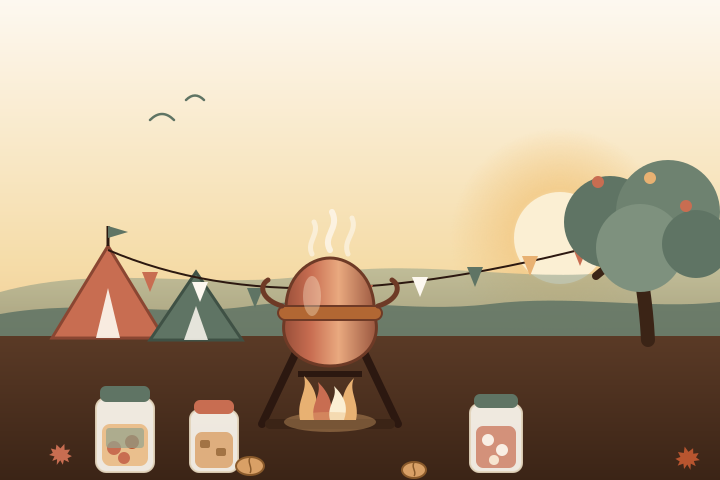
Copper kettle candy pull glowing at a 1960s county fair
Kettle No. 3 at the Thomasville Harvest Fair, painted from a 1968 family photograph

What our porch visitors ask for most

The Flavor Ledger

Every season we tally the requests that arrive by letter and by word of mouth. These are the keepsake phrases folks use when they describe the handmade candies they remember — and the ones they want tucked into the next tin.

  • handmade pecan brittle
  • keepsake gift tins
  • taste of childhood sweets
  • 1960s county fair candy
  • maple sugar leaves
  • cinnamon pillow mints
  • molasses honeycomb candy
  • hand-pulled sorghum taffy
  • care package sweets
  • nostalgic gifts for parents
  • Georgia candy kitchen
  • holiday sweet assortments
  • brown butter praline drops
  • hostess gift confections

The harvest collection rows

Five Signature Sweets, Made the Slow Way

Each row of our catalog holds one of the small-batch confections that built the Hollow's reputation at county fairs, church suppers, and kitchen tables across South Georgia. Read them the way you would wander a fairground midway — slowly, and with your childhood sweet tooth awake.

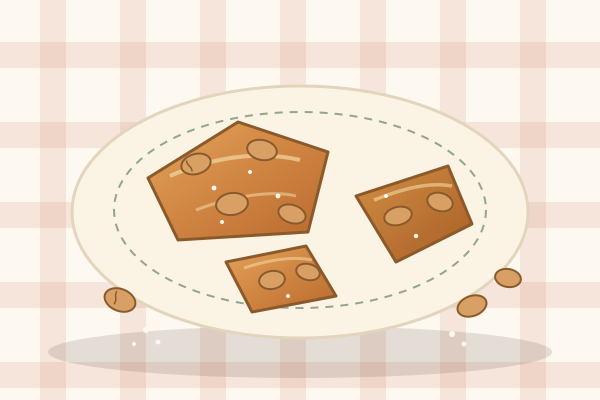
Toasted pecan brittle shards with smoked sea salt on gingham
Batch 41 · pulled on October mornings · fourteen pounds at a time

Signature since 1963

Toasted Pecan Brittle From the Copper Kettle

Hand-cracked Georgia pecans folded into butter-rich candy at the moment it turns pale amber, then poured onto marble slabs and pulled thin enough to shatter at arm's length. A scatter of smoked sea salt finishes every batch, the way Dewey Parkman learned it at the fairgrounds.

  • Texture — thin-shattering, glassy snap
  • Pecans — hand-cracked from the orchard down the road
  • Finish — coarse smoked sea salt
  • Gift note — the tin that never comes back empty

Maple sugar candy leaves pressed in antique wooden molds
Pressed Thursdays · carved 1924 molds · dark robust syrup

The fair ribbon winner

Maple Sugar Leaves Pressed in Antique Wooden Molds

Dark robust maple boiled to the soft-crack stage, poured into maple-leaf molds our founder carved herself, and turned out one tray at a time. They melt on the tongue like October floss — the same leaf candies that filled the dime-store jars of a 1960s childhood.

  • Molds — hand-carved hardwood, 1924
  • Syrup — dark robust, cooked low and patient
  • Bite — melts without chewing
  • Occasion — the Thanksgiving hostess gift
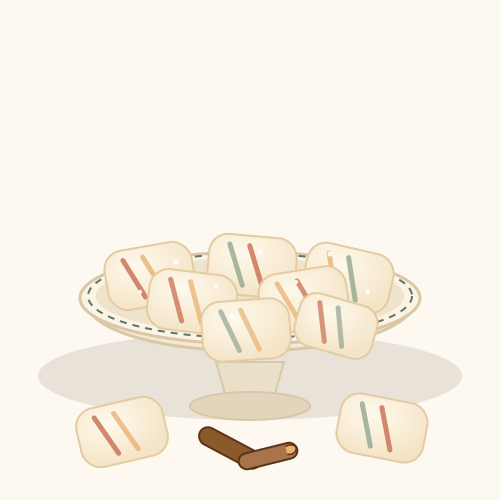
Cinnamon pillow mints dusted with warm spice in a dish
Bagged by the dozen · soft-center pull · wax-paper nests

Grandmother's coffee table

Cinnamon Pillow Mints With the Softest Bite

Cream, sugar, and a warm dusting of cinnamon, pulled into little pillows that give way with the gentlest chew. Every candy dish on every front porch in memory held a bowl of these, and every grandchild remember exactly where the dish sat.

  • Center — soft pull-cream, never gritty
  • Dusting — warm cinnamon sugar
  • Nest — doubled wax paper
  • Table — reunion favorite, three generations running
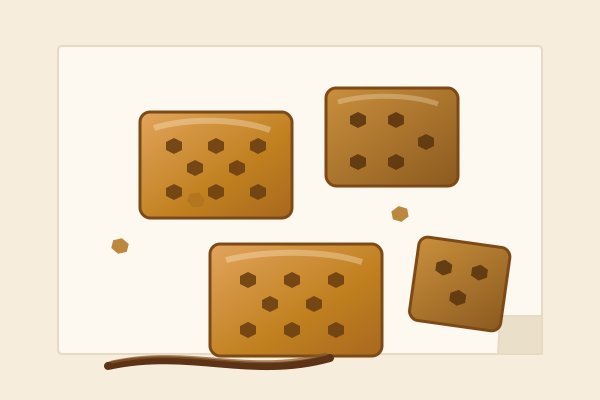
Molasses honeycomb sponge candy stacked on folded wax paper
Cut same-day · weather permitting · black-strap depth

The fairgoer's wonder

Molasses Honeycomb, a Sponge Candy Worth the Weather

Black-strap molasses and brown sugar foamed tall with soda, poured into frames, and cracked into golden caverns that crunch and then vanish. Honeycomb reads the weather like a farmer, so we cut it only on dry afternoons and tuck it into tins the same day.

  • Interior — airy glass, deep molasses echo
  • Weather — cut on dry days only
  • Pairing — vanilla ice cream, sharp cheddar
  • Keeping — three honest weeks in a sealed tin
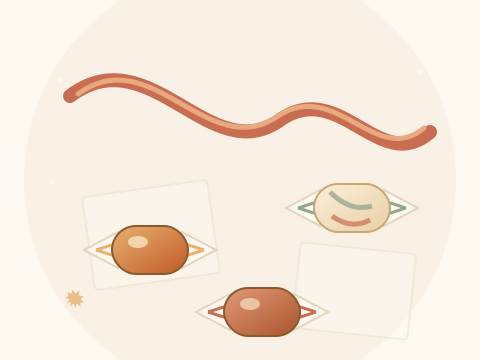
Hand-pulled sorghum ribbon taffy twists wrapped in wax paper
Pulled Saturdays · hooked and folded forty times

The porch-pull tradition

Hand-Pulled Sorghum Ribbon Taffy Twisted in Wax Paper

Sorghum from the mill at cane-grinding time, buttered hands, and the old iron hook on the porch post. We fold and pull the amber ribbon until it turns satin-soft, then twist each piece in doubled wax paper for the lunchbox, the glovebox, and the coat pocket.

  • Pull — forty folds on the iron hook
  • Base — mill-ground sorghum, never corn syrup
  • Wrap — twisted wax paper, ends crimped
  • Memory — the Saturday all the cousins helped

Interactive tasting notes

The Tasting Deck

Slide the deck to a flavor family and wander the cards beneath. Each board gathers the small-batch confections our kettle crew folds into keepsake tins, care package sweets, and tasting boxes all season long.

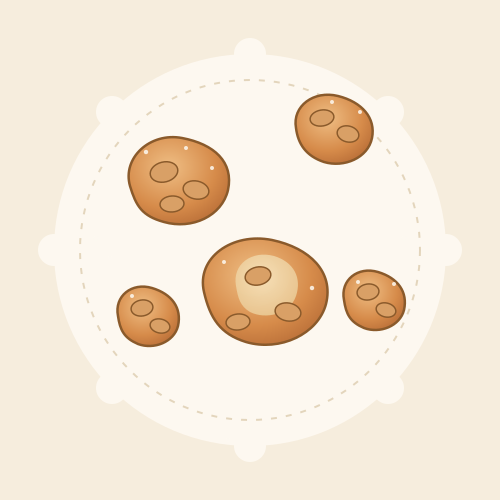
Brown butter praline drops crowned with toasted pecan halves
Board one · the praline bench

Brown Butter Praline Drops

Caramelized sugar, toasted pecan halves, and a whisper of vanilla, ladled onto parchment in pats the size of a silver dollar.

Candied Cinnamon Pecan Halves

Egg-white crisp pecans rolled in cinnamon sugar and roasted slow, until the kitchen smells like the fair midway at dusk.

Burnt-Sugar Pecan Toffee

Butter-crack toffee poured thin and snapped into shards, finished with hickory-smoked salt for the hostess who has everything.

Interactive gift bench

The Keepsake Crate Bench

Building a gift for someone who remembers the same candy counter you do? Choose a crate, a flavor family, and an occasion. We will draft a porch crate note you can carry to the kitchen window on Broad Street.

  1. Choose the Keepsake Crate

  2. Pick a Flavor Family

  3. Name the Occasion

Choose one ticket from each step, then draft your porch crate note.

Specifications of the house

The Batch Ledger

Every tin we tie carries the same promises, written into the ledger our founders kept by the kettle. Read them before you plan a gift, a care package, or a quiet afternoon with a dish of brittle.

Kettle batch size
Fourteen pounds per pull — small enough to watch closely, generous enough for a church supper.
The copper
Kettle No. 3, hand-tinned in Savannah in 1968 and polished every Sunday evening.
Fire beneath
Pecan-shell embers, kept low and patient, the way brittle prefers to be coaxed.
Texture standard
Brittle shatters at arm's length; taffy yields with a soft, buttery chew; honeycomb vanishes like frost.
Sweetness ledger
Sorghum and dark maple lead; white sugar follows quietly and never speaks first.
Salt of the house
Smoked sea salt from the coast, ground coarse and scattered by hand from a cedar shaker.
Wrapping custom
Doubled wax paper in every tin and every twist, the way Aunt Velma insisted from the very first batch.
Gift suitability
Keepsake tins, care packages, hostess gifts, reunion tables, and quiet thinking-of-you surprises.
Porch pairings
Coffee at sunrise, hot cider after raking, vanilla ice cream on any evening worth remembering.
Keeping promise
An airtight tin on a cool shelf holds the snap honest for three full weeks.

From the fairgrounds

How a Borrowed Kettle Became a Candy Kitchen

County fair midway with ferris wheel and prize ribbons at dusk
The Thomas County Harvest Fair midway, where the Hollow won its first ribbon

In October of 1963, Winnie and Dewey Parkman borrowed a copper kettle, a folding table, and a spot beside the pie judging booth at the Thomas County Harvest Fair. They sold out of pecan brittle by Saturday noon and went home with a blue ribbon, a paper sack of quarters, and a plan.

Eight years of fair seasons later, they leased the narrow storefront on Broad Street with the creaky screen door, hung the kettle over a pecan-shell fire in the back room, and taught their daughters to pull taffy on the porch post out front. The grandchildren learned the same way, standing on a milk crate.

Three generations on, the screen door still creaks, the molds are still the ones Winnie carved, and every batch still goes into the ledger by hand before it goes into a tin.

— The Parkman family, keepers of Kettle No. 3